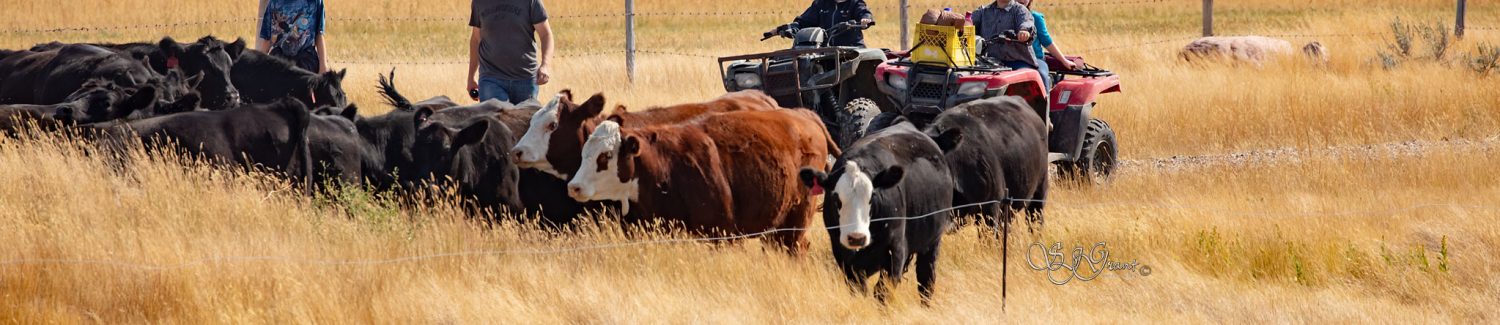
Cattle really do eat snow!
As the harsh Canadian winter settles in, ranchers know that keeping their cattle healthy and hydrated can be a challenge. While many assume that livestock in colder climates struggle to find adequate water in freezing temperatures, Canadian ranchers have learned that cattle are surprisingly resourceful in the winter. A key factor in their winter hydration strategy is the practice of cattle eating snow.

How Cattle Stay Hydrated in Winter
Cattle, like all livestock, require a consistent water supply to stay healthy. While they typically rely on access to fresh water during warmer months, winter brings unique challenges. Water sources such as rivers, ponds, and troughs often freeze in the winter, and when cattle cannot access liquid water, they may turn to an unexpected solution—snow.
According to research conducted by the Beef Cattle Research Council (BCRC), cattle can consume snow to meet their hydration needs during the winter. This is a common behavior observed in ranches across Canada, especially in remote or less-developed grazing areas where providing heated water sources can be difficult.
How Snow Helps with Hydration
Snow can serve as a natural water source, but it’s not quite as simple as just munching on the snow. Cattle need to consume a significant amount of snow to meet their hydration requirements, which can be more challenging if the snow is very dry or powdery. However, even with these conditions, the process of eating snow can still supply the necessary hydration.
In fact, BCRC research highlights that cattle may need to eat between 20 to 40 pounds of snow per day to meet their hydration needs, depending on factors like ambient temperature, activity levels, and the nutritional content of their feed. However, cattle don’t just eat snow to survive—they are capable of regulating the moisture content in their diet and can adjust their snow intake depending on their physical needs.
Challenges with Snow Hydration
Our cattle have a long-standing pattern of eating snow, but it’s not always the most efficient or effective way to stay hydrated. According to the Beef Cattle Research Council (BCRC), eating snow provides far less water than drinking directly from an open water source. A cow’s body must expend energy to warm the snow to body temperature, making this process more time-consuming and energy-intensive than simply drinking liquid water.
Genetics and past experience play a role in how well cows adapt. Cows familiar with eating snow can quickly determine how much they need to meet their hydration requirements. However, the moisture content of snow matters. If it’s too dry, it won’t provide sufficient moisture, and if it’s too compacted or crusted over, cattle may struggle to consume enough. Experienced cows adapt to weather changes, and seasoned ranchers adjust feed supplies to ensure cattle receive the energy needed to compensate.
Contaminated snow—whether from manure, road salts, or other substances—can pose health risks. That’s why we confine our cattle to areas free from non-natural substances and regularly monitor snow conditions to ensure there’s enough clean snow available for safe consumption. This balance of observation and proactive care helps keep our herd healthy through the winter.

Best Practices for Ensuring Adequate Hydration
Though snow can be a useful resource, ranchers should always look for ways to supplement the snow intake with more reliable hydration methods. BCRC recommends that cattle still have access to fresh, clean water sources whenever possible. In cold climates, this often means investing in heated water troughs or providing access to thawed water in some way. This means in our more contained areas we provide clean water with a heat source to keep it liquid.
In our remote areas we, supplement snow consumption with a balanced feed program to ensure that cattle are getting enough moisture through their diet. Certain types of forage, like silage, can also contribute to overall hydration.


Why Snow Hydration Is Important for Ranchers
Understanding the natural behavior of cattle eating snow for hydration can be valuable for ranchers in Canada, especially in regions where water sources freeze and access to liquid water is limited. Knowing that cattle can use snow to meet some of their hydration needs gives ranchers a better understanding of how their animals are surviving in the cold months.
Moreover, BCRC’s research offers valuable insights into the ways that ranchers can adapt their management practices to ensure cattle health. Whether through providing supplemental water sources or ensuring high-quality forage, ranchers can take steps to support their cattle and make sure they stay hydrated and healthy, even during the harshest winters.
Conclusion
While winter hydration might not always be as straightforward as in the warmer months, Canadian cattle have found an ingenious way to survive: eating snow. Thanks to research from the Beef Cattle Research Council, ranchers now have a deeper understanding of how this process works and how to manage it effectively. By combining the natural ability of cattle to consume snow with supplemental hydration strategies, ranchers can keep their livestock healthy and well-hydrated all winter long.
As winter continues to bring challenging conditions to Canadian ranches, this snow-eating behavior serves as a reminder of the resilience of cattle and the importance of understanding their needs in every season.